
Letecký georadar (GPR) na UAS
Neinvazivní mapování podzemních struktur pomocí dronů s přesnou geolokací a rychlým plošným sběrem dat.
Pomáháme odhalovat podzemní vedení, drenážní systémy, dutiny, historické konstrukce i další skryté anomálie bez nutnosti výkopových zásahů. Integrace georadaru na bezpilotní systém znamená rychlejší, bezpečnější a plošně efektivnější průzkum.
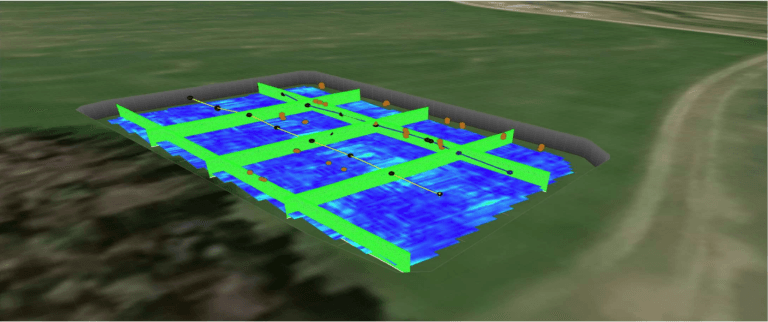
RTK přesnost
georeference
Grid mapování
systematický sběr
Neinvazivní
bez výkopů
Výstupy
2D / 3D
Hodnota pro klienta
Co vám letecký GPR průzkum pomůže odhalit
Technologii překládáme do jazyka projektů, správy majetku a investic.
Podzemní infrastruktura
Detekce potrubí, drenáží, kanalizačních větví, historických vedení a dalších inženýrských sítí.
Skryté anomálie v území
Vyhledávání dutin, narušených míst, nehomogenit a podezřelých struktur v podloží.
Historické a zámecké areály
Šetrný průzkum bez zásahu do cenného prostředí – vhodné pro památky a archeologicky citlivé lokality.
Podklady pro rozhodování
Přesná data pro projektanty, obce, správce areálů i investory před revitalizací nebo stavebním zásahem.
Princip
Jak funguje georadar na dronu
Srozumitelně a odborně – bez zbytečného žargonu.
Georadar (GPR – Ground Penetrating Radar) využívá elektromagnetické vlnění, které proniká do podloží a odráží se od rozhraní materiálů s odlišnými vlastnostmi. Umožňuje identifikovat změny v podzemní struktuře, přítomnost objektů, vedení nebo dutin.
Integrace na UAS přináší proti běžným metodám zásadní výhodu: rychlé systematické pokrytí území, přesné georeferencování dat a efektivní sběr i na rozsáhlých nebo hůře dostupných plochách.
Schéma v 3 krocích
- 1
Let po gridu
Dron systematicky pokrývá lokalitu podle zvoleného rastru.
- 2
Signál do podloží
Radar vysílá impulsy a registruje odrazy od rozhraní materiálů.
- 3
Interpretace
Software a analytik převádějí data na anomálie a mapové výstupy.
Parametry
Technické parametry a přesnost
Rámec, který dává smysl projektantům i investorům – finální nastavení vždy podle lokality.
Mapovací režim
Gridové mapování, např. 1 × 1 m
Geolokace
RTK / GNSS
Frekvenční pásma
100 MHz až 300 MHz – pro mapování běžně včetně 150 MHz (volba dle cíle měření a podloží).
300 MHz
Vyšší detail, typicky hloubka cca do 4 m dle podloží
150 MHz
Oblíbený kompromis pro GPR mapování – dobrý poměr detailu a hloubkového dosahu v typických podmínkách.
100 MHz
Větší hloubkový dosah, nižší citlivost na drobné objekty
Detekce objektů
Od cca 5 cm dle minerality, vlhkosti a prostředí
Horizontální přesnost
Přibližně ±2–3 cm
Hloubková interpretace
Orientačně ±5–15 % z hloubky
Vyšší frekvence = vyšší detail
Vhodná pro menší objekty a jemnější struktury.
Nižší frekvence = větší hloubkový dosah
Vhodná pro robustnější objekty a hlubší vrstvy.
Proč UAS
Proč zvolit GPR na UAS
Neinvazivní průzkum
Bez výkopů, bez destrukce prostředí, bez zásahů do terénu.
Rychlé pokrytí velkých ploch
Efektivní sběr i na rozlehlých nebo obtížně přístupných lokalitách.
Přesná georeference dat
Každý výstup je prostorově ukotvený a připravený pro další práci.
Bezpečnější provoz v terénu
Méně fyzického pohybu v rizikových nebo nepřehledných lokalitách.
Podklady pro rozhodování
Data pro projekci, správu majetku, revitalizace i plánování investic.
Kombinace senzorů
LiDAR, fotogrammetrie, multispektrál, termovize – komplexní obraz lokality.
Aplikace
Typické oblasti využití
Ať už spravujete majetek, projektujete nebo investujete – máte konkrétní scénář.
Obce a města
- mapování meliorací
- průzkum podzemních vedení
- podklady pro rekonstrukce a revitalizace
- správa veřejného prostoru
Památkové objekty a historické areály
- šetrné ověření podzemních struktur
- identifikace historických tras a zásahů
- podklad pro obnovu areálu
Stavebnictví a projektování
- předprojektová příprava
- kontrola rizik v území
- ověření neznámých tras sítí
Krajina a speciální průzkumy
- drenážní systémy
- historické zásahy do terénu
- podpůrná data pro hydrologické a geologické hodnocení
Proces
Jak probíhá realizace
- 1
Konzultace záměru
Vyhodnotíme lokalitu, účel měření a očekávané výstupy.
- 2
Návrh metodiky
Zvolíme grid, frekvenční rozsah a rozsah sběru.
- 3
Letecký sběr dat
Systematické mapování lokality pomocí UAS.
- 4
Zpracování a interpretace
Čištění, analýza a příprava srozumitelných výstupů.
- 5
Předání klientovi
Mapy, interpretace, 2D/3D data, exporty, případně cloudové sdílení.
Deliverables
Jaké výstupy klient získá
Formáty sladíme s vaším GIS, projektovým týmem nebo investiční dokumentací.
- radarové řezy a základní interpretace
- mapa detekovaných anomálií
- georeferencované výstupy pro GIS
- 2D a 3D vizualizace
- exporty dle potřeb projektu
- podklady pro další profesní navázání
- možnost online / cloudového sdílení
Výstupy upravujeme podle požadavků projektu i technických návazností klienta.
Ekosystém
Jedna technologie nestačí. Kompletní obraz přináší jejich kombinace.
Propojujeme senzory tak, aby data dávala smysl v kontextu celé lokality.
Nad zemí LiDAR, pod zemí GPR – kompletní obraz reality.
Technologie pro přesná data a odpovědná rozhodnutí
Naše služby stavíme na kombinaci odborné interpretace, přesné geolokace a moderních bezpilotních systémů. Každý projekt připravujeme s ohledem na charakter lokality, účel měření a požadovanou míru detailu. Výsledkem nejsou pouze data, ale podklady, které mají praktickou hodnotu pro další rozhodování.
Potřebujete prověřit podzemní struktury bez zásahu do terénu?
Navrhneme vhodný postup mapování, doporučíme technologii a připravíme výstupy přesně podle účelu projektu.
FAQ
Časté dotazy
Jak hluboko georadar vidí?
Hloubkový dosah závisí na frekvenci, mineralitě, vlhkosti a charakteru podloží. Obecně platí, že nižší frekvence pronikají hlouběji, vyšší frekvence poskytují detailnější rozlišení.
Je metoda neinvazivní?
Ano. Měření probíhá bez výkopových zásahů a bez destrukce povrchu.
Jaké typy objektů lze detekovat?
Například potrubí, drenáže, dutiny, historické konstrukce, anomálie v podloží nebo změny materiálového rozhraní.
Je možné data kombinovat s LiDARem?
Ano. Kombinace GPR a LiDARu je velmi silná pro komplexní porozumění lokalitě.
LET'S WORK TOGETHER
Send an inquiry — we will reply with a timeline and recommended approach.
Poptávka