
Autonomní monitoring bez přestávky
Naplánované mise, hlídání kritických zón a upozornění na anomálie – s možností docků a dohledu bez neustálé obsluhy.
Plán misí
kalendář
Alerting
pravidla
RTK / GNSS
opakovatelnost
Integrace
API / cloud
Definice
Co je autonomní monitoring
Spojení plánovaných letů, senzorů a pravidel tak, aby areál nebo infrastruktura byly pod dohledem i bez permanentního operátora u joysticku.
Autonomní monitoring znamená opakovatelné mise, které běží podle schváleného plánu: časová okna, trasy, výšky a senzory. Systém hlídá odchylky od očekávaného stavu a generuje události pro váš tým – ne až po týdnu manuální kontroly.
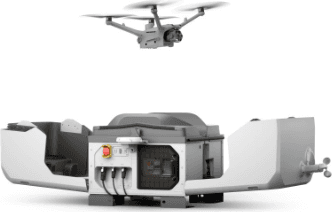
U vybraných nasazení doplňujeme workflow o dock nebo dálkově spouštěné mise, aby se minimalizovala závislost na počasí a dostupnosti posádky přímo v terénu.
- Plán misí a frekvence podle rizik (perimetr, kritické zóny)
- Konzistentní geometrie snímků pro srovnání v čase
- Role a oprávnění – kdo vidí alerty, kdo jen reporty
- Provozní log pro audit a bezpečnostní přezkumy
Proces
Jak to funguje
Od zadání po provozní dohled – jeden řetězec odpovědností, měřitelné výstupy.
1. Zadání a rizikový profil
Definujeme oblast, frekvenci, senzory a práhové hodnoty pro upozornění – v souladu s provozem a legislativou.
2. Plán misí a komunikace
Nasazení RTK/GNSS, kontrola spojení (LTE/5G podle lokality), záložní scénáře při výpadku.
3. Automatický sběr a zpracování
Snímky a telemetrie proudí do zabezpečeného úložiště; pravidla vyhodnocují odchylky a generují události.
4. Notifikace a report
Dashboard, e-mail nebo webhook do vašeho systému; periodické souhrny pro vedení a údržbu.
Časová řada
Opakovatelnost = smysluplné srovnání
Stejné trasy, stejné úhly a stabilní georeference – bez toho jsou „změny“ jen artefakt letu, ne realita objektu.
- definované waypointy a výškové profily
- sjednocené expozice pro vizuální srovnání
- kalibrované senzory a kontrolní měření
Proč na tom stavíme monitoring
Trendy v čase jsou použitelné pro prediktivní údržbu, pojistné podklady i interní audity. Bez opakovatelnosti byste porovnávali jablka s hruškami – my dodáváme data připravená k rozhodnutí.
Inteligence
Detekce anomálií
Kombinujeme vizuální a termální data s pravidly – aby váš tým řešil skutečné události, ne šum.
Detekce změn
Porovnání snímků v čase – nové objekty, posuny, poškození pláště nebo přístupových cest.
Termální anomálie
Přehřátí spojů, netěsnosti obálky nebo nestandardní teplotní mapy u technologií.
Pravidla a priority
Nastavitelné prahy, eskalační řetězec a filtrace falešných poplachů podle lokality.
Bezpečnost
Data a provoz pod kontrolou
Monitoring je tak citlivý, jak citlivá je infrastruktura, kterou hlídá – proto bereme bezpečnost jako součást návrhu, ne jako doplněk.
Šifrování a přístupy
Role, MFA a segmentace dat podle týmů – minimum povoleného přístupu jako standard.
Provozní logy
Audit letů, stahování a změn konfigurace pro bezpečnostní a provozní přezkumy.
Integrace bez úniku metadat
Webhooky a API s řízenými tokeny; žádné veřejné odkazy bez expirace, pokud to nechcete.
Technologie
Stack pro spolehlivý provoz
Hardware a software vybíráme podle prostředí – od městského perimetru po průmyslový areál.
Autonomní platforma
Plánování misí, stav stroje, bezpečnostní meze a nouzové režimy.
RTK / GNSS
Centimetrová přesnost pro opakovatelné průlety a georeferencované výstupy.
Spojení
LTE/5G dle pokrytí; návrh záložních scénářů pro kritická místa.
Dock & dobíjení
Kde dává smysl – minimalizace zásahů a predikovatelný provoz.
Napojení
Integrace do vašeho ekosystému
Neuzamčíme vás v jedné aplikaci – připravíme mosty k systémům, které už používáte.
- Webhooky a REST API pro ticketing, CMMS nebo vlastní dashboardy.
- Klientská zóna HORDRONES pro prohlížení, archiv a role v týmu.
- Exporty do GIS / úložišť dle dohody – strukturované, pojmenované, verzované.
Cílem je, aby se alerty objevily tam, kde už dnes řešíte provoz – ne aby vznikl další izolovaný ostrov dat. Rozsah integrace vždy sladíme s vaším IT a bezpečnostními pravidly.
Deliverables
Výstupy
Transparentní balíčky dat a reportů – aby každý stakeholder viděl to, co potřebuje, ne víc.
Provozní dashboard
stav misí, alerty, trendy a přehled kritických zón
Reporty
periodické souhrny pro management a údržbu
Georeferencovaná data
snímky, orta, termo – dle zadání
Exporty
strukturované balíčky pro GIS a dokumentaci
Logy a audit
stopa pro interní i externí kontrolu
Eskalace
definované kanály podle závažnosti události
Spolupráce
Balíčky
Orientační struktura – finální rozsah podle lokality, frekvence a integrační náročnosti.
Pro
Provozní monitoring
- ✓plný plán misí
- ✓pokročilá pravidla
- ✓dashboard + cloud
- ✓integrace webhook
Enterprise
Kritická infrastruktura
- ✓SLA konzultace
- ✓více lokalit
- ✓redundantní spojení
- ✓vlastní integrace / API
Ekosystém
Služby, které se dobře kombinují
Autonomní monitoring dává největší smysl spolu s přesnými daty a inspekcí objektů.
Inspekce → pravidelné stavy konstrukcí · LiDAR → geometrie a 3D kontext · GPR → podzemní rizika u výkopů
LET'S WORK TOGETHER
Send an inquiry — we will reply with a timeline and recommended approach.
Poptávka